Berhampur’s Thirst: A City Caught Between Crisis and Reform

Berhampur’s Thirst: A City Caught Between Crisis and Reform
Berhampur, Odisha — Beneath the vibrant bustle of Berhampur lies a quiet emergency: a drinking water crisis that affects over 50,000 households daily. Despite being one of Odisha’s major urban centers, Berhampur’s water supply remains dangerously inadequate, intermittent, and contaminated — a reality that clashes sharply with the state’s ambitious “Drink from Tap” mission.
According to Watco’s Berhampur division, the city requires 90 million litres per day (MLD) to ensure 24/7 supply. Yet, current infrastructure delivers only 70 MLD, sourced from the Jagadalapur and Dakhinapur reservoirs. Residents often receive water for just 1.5 hours a day, with frequent disruptions due to power failures and leaky pipelines.
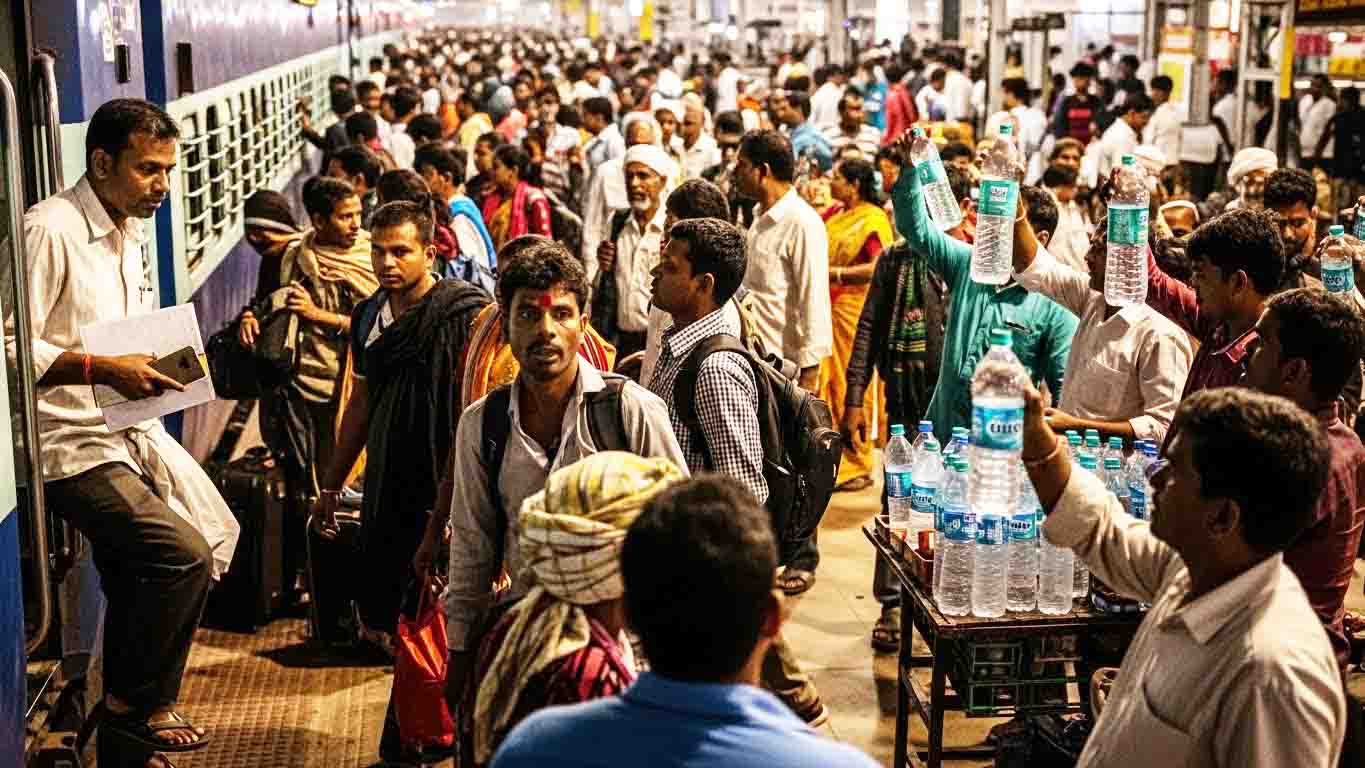
Berhampur receives only 70 million litres of water daily against a demand of 90 million litres, with supply often limited to 1.5 hours per day. Dr. Satya Brahma calls it “a crisis of dignity, not just scarcity.”
The consequences are stark. A Rs 46 lakh underground sump, once designed to serve 20 streets, now lies idle — a symbol of administrative neglect. Meanwhile, old pipes leak contaminants into the supply, raising serious public health concerns. Coverage remains limited to around 70%, forcing many to rely on public standposts, tankers, or even unsafe ponds.
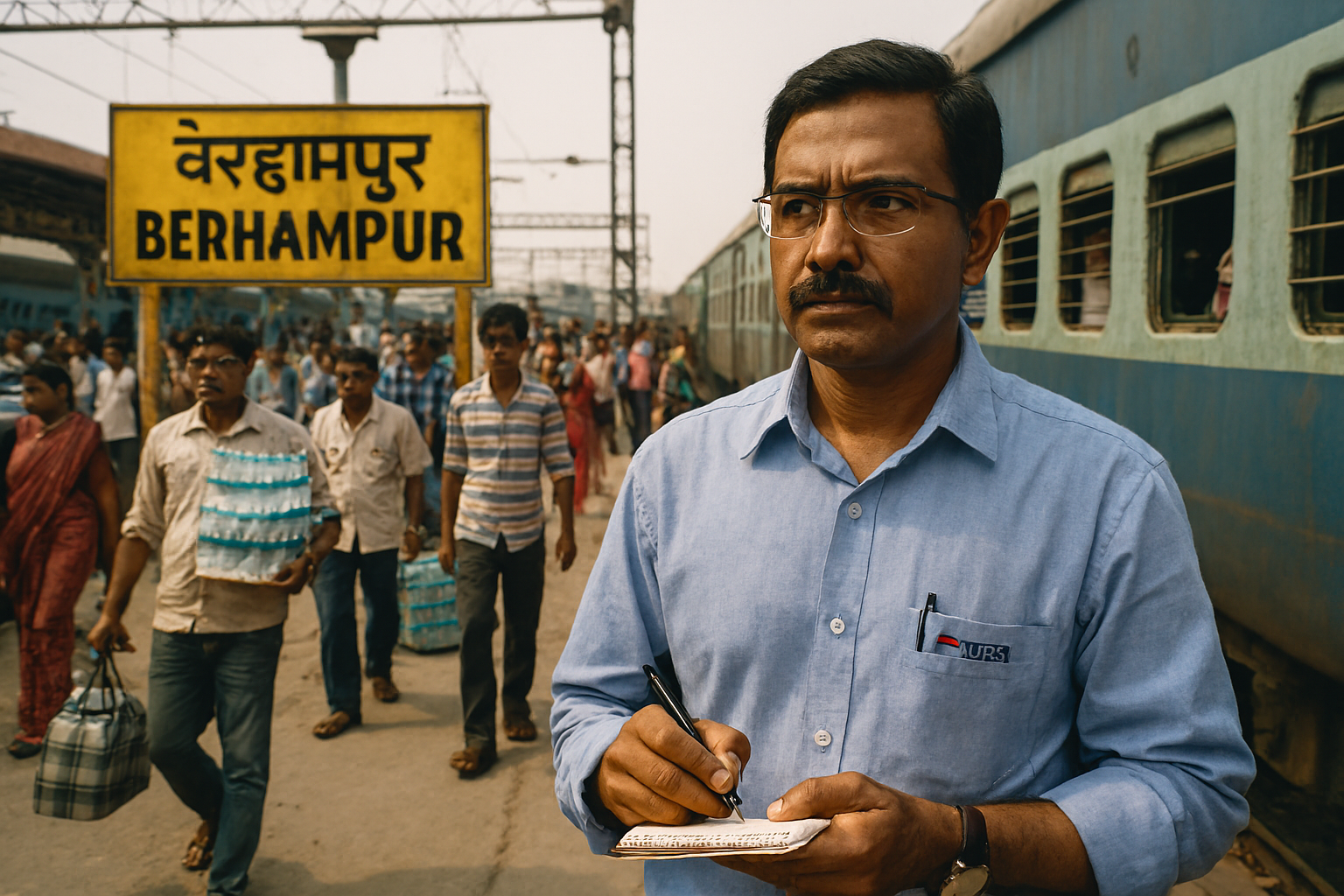
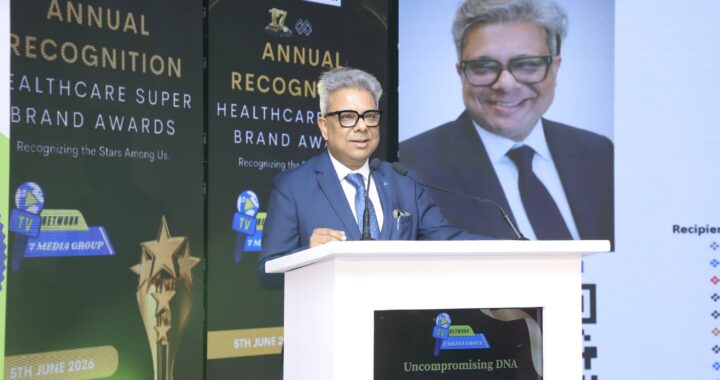
Dr. Satya Brahma, Founder of Network 7 Media Group and a longtime observer of governance failures, offered a sharp critique:
“This is not merely a crisis of infrastructure — it’s a crisis of dignity. When citizens queue for hours for a bucket of water, we must ask: who is accountable for this erosion of basic rights?”
Yet, hope is not lost. Odisha’s Drink from Tap Mission, launched in 2019, aims to provide 24×7 piped water to every urban household. In Berhampur, over 54,500 households have already been covered under the scheme, including areas like Gouri Nagar, Anand Nagar, Ram Nagar, and Jaleshwarkhandi. The initiative promises water that’s safe to drink straight from the tap — no boiling, no filtering.
Innovative technologies are also emerging. Air-to-Water ATMs, which extract moisture from the air to produce clean drinking water, are being piloted in public spaces.
Still, the road ahead is steep. Experts from Youth For Social Development and PPP in India warn that without overhauling Berhampur’s aging infrastructure, plugging leaks, and expanding treatment systems, the mission’s promise may remain out of reach.
For thousands of residents, the daily ritual begins not with breakfast, but with a race against time — queuing at public standposts, hauling plastic pots, and praying the tap runs for more than two hours. According to Youth For Social Development, the city’s water supply often falls below national standards, with intermittent availability and erratic pressure leaving entire neighborhoods parched.
But scarcity is only half the story. The other half is hidden underground — in aging pipelines that leak not just water, but contaminants. Reports from Pragativadi and Youth For Social Development reveal that Berhampur’s outdated infrastructure allows pollutants to seep into the supply, posing serious public health risks. The city’s coverage hovers around 70%, and losses from leakage are alarmingly high, as noted by PPP in India.
In many pockets of the city, especially in informal settlements, residents rely on alternative sources — public taps, ponds, and even contaminated wells. The consequences are visible: long queues, waterborne illnesses, and a growing sense of frustration. Khabar Odisha documents how this dependence deepens inequality, forcing the most vulnerable to bear the brunt of systemic neglect.
Yet amid the crisis, a quiet revolution is underway.
Odisha’s ambitious Drink from Tap Mission promises 24/7 piped water to every household — a bold vision of universal access and dignity. Pilot projects in Berhampur have shown promise, with select zones receiving uninterrupted, treated water. The Government of Odisha and PPP in India highlight these successes as proof that transformation is possible.
Innovative technologies are also entering the fray. Air-to-Water ATMs, as reported by Akvosphere.com, are being deployed in public spaces to provide clean drinking water from atmospheric moisture — a futuristic solution to a deeply rooted problem.
But the road ahead is steep. Berhampur must overhaul its crumbling infrastructure, plug the leaks, expand coverage, and build robust treatment and reuse systems. The contrast between aspiration and reality is stark — a city caught between the pipes of the past and the promise of tomorrow.
As the sun sets over Rushikulya’s banks, the question remains: will Berhampur’s thirst be quenched by reform, or will it remain a symbol of systemic failure?
As Berhampur stands at the crossroads of crisis and reform, the question remains: will the city’s thirst be quenched by vision — or drowned in neglect?
 How Berhampur’s MP Pradeep Kumar Panigrah Is Challenging His Own Saffron Government Over Regional Neglect
  The 3-Paise Settlement: How India’s Financial Architecture Capitulated to Subhash Chandra’s ₹22,000-Crore Default
 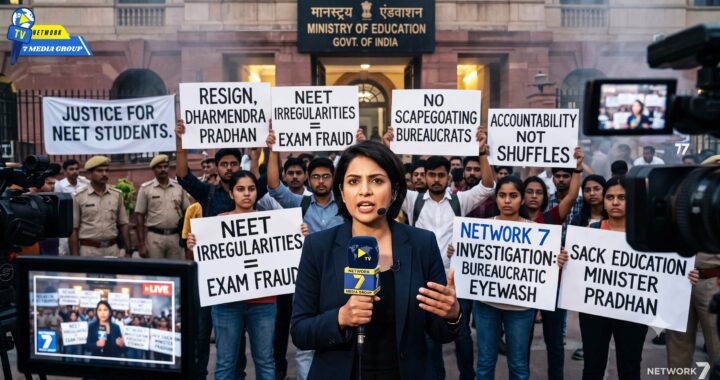 Sacrificial Bureaucracy: Centre Replaces Education Secretary To Deflect From Demands For Dharmendra Pradhan’s Resignation?
  The Accountability Vacuum: Why The Education Ministry Remains Untouched By Crying Candidates
  Dr. Koushik Lahiri Issues Urgent Global Clarion Call Against Steroid Dependence Crisis at 17th Pharma Leaders Summit
  Sujata Rout Karthikeyan Joins BJD: Will 4.5 Crore Odias Accept Her as Naveen’s Successor?