The Cold Card: How Bureaucratic Paperwork Turned Odisha’s Senior Healthcare Promise into a Hospital Gate Crisis
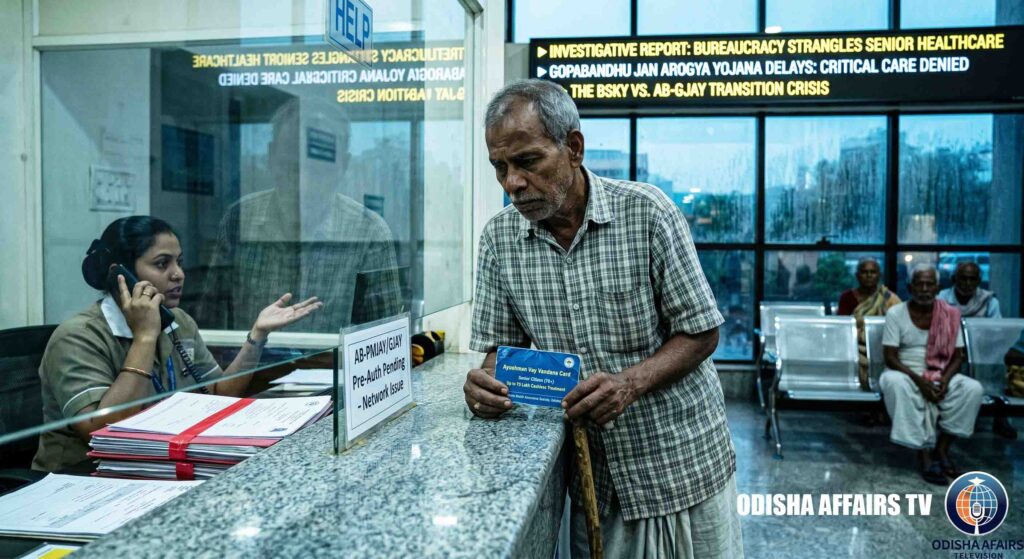
Inside the Red-Tape Chokehold Leaving Thousands of 70+ Citizens Stranded
The Policy Collision: How the Death of BSKY and the Birth of Gopabandhu Jan Arogya Yojana Triggered a Corporate Hospital Rebellion
Empty Promises at the ICU Door: Why Authorised Private Facilities Are Systematically Denying Cashless Critical Care Under the Ayushman Vay Vandana Card
The Odisha Affairs TV Special Investigative Report
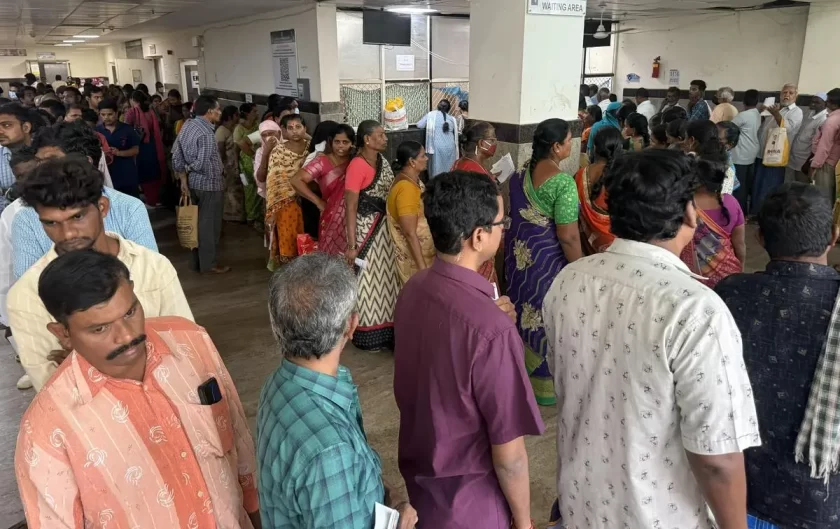
BHUBANESWAR — For seventy-four-year-old Niranjan Mohanty of Cuttack, a plastic card promised a lifeline. Diagnosed with advanced coronary artery disease requiring an urgent triple bypass surgery, Mohanty walked into a premier corporate hospital in Bhubaneswar brandishing his newly minted Ayushman Vay Vandana Card, issued under the Mohan Charan Majhi-led BJP Government’s flagship Ayushman Bharat-Gopabandhu Jan Arogya Yojana (AB-GJAY). The scheme guarantees up to ₹5 lakh per year in cashless secondary and tertiary healthcare for senior citizens aged 70 and above.
Instead of immediate admission, Mohanty was met with an all-too-familiar bureaucratic stonewall. “The helpdesk told us the system was down, the pre-authorization portal was frozen, and they hadn’t received clarity on the package reimbursement rates for cardiac surgeries from the State Health Assurance Society (SHAS),” his son recounts. Three days later, with Mohanty’s health deteriorating, the family broke their fixed deposits to pay out-of-pocket at a non-empanelled facility.
Mohanty is not an isolated casualty. Across Odisha, a quiet, devastating crisis is unfolding at the intersection of political transition, administrative inertia, and private sector resistance. A three-month investigation reveals that the much-publicized migration from the Naveen Patnaik-era Biju Swasthya Kalyan Yojana (BSKY) to the co-branded AB-GJAY has left thousands of vulnerable senior citizens stranded at hospital gates, unable to access critical care for life-threatening illnesses.
The Political Pivot: BSKY vs. Gopabandhu Jan Arogya Yojana
When the BJP took the reins of power in Odisha, one of its primary policy mandates was the dismantling of the BJD’s flagship BSKY scheme to pave the way for the integration of the central Ayushman Bharat framework.
| Metric / Parameter | Biju Swasthya Kalyan Yojana (BSKY) | Gopabandhu Jan Arogya Yojana (AB-GJAY) |
| Political Architect | BJD Government (Naveen Patnaik) | BJP Government (Mohan Charan Majhi) |
| Funding Structure | 100% State-Funded | Co-branded / Integrated with Central AB-PMJAY |
| Senior Citizen Focus | Part of a universal family floater system (up to ₹10 lakh for women). | Dedicated top-up via Ayushman Vay Vandana Card (₹5 lakh for 70+). |
| Operational Workflow | High-velocity clearing, settled directly via the state-managed BSKY portal. | Complex multi-tier clearance through the integrated NHA-SHAS portal. |
| Settlement Turnaround | Typically 15 to 21 days; minimal pre-auth friction. | Chronic delays; backlog in historical legacy claims and rate renegotiations. |
While BSKY operated as a highly centralized, state-funded health assurance model with an established clearinghouse rhythm, the transition to AB-GJAY in early 2025 disrupted the established status quo. The integration of national IT infrastructure with state databases has birthed an administrative nightmare. Senior citizens, who require separate biometric authentication and distinctive Vay Vandana cards, are bearing the brunt of a system undergoing institutional labor pains.
Anatomy of De-empanelement and Denial
Why are top-tier private hospitals systematically turning away elderly patients with critical illnesses like cancer, end-stage renal disease, and neurological disorders? The investigation uncovers three fundamental administrative structural hurdles:
1. The Pre-Authorization Freezes & Bureaucratic Lag
Under the new guidelines, high-value tertiary procedures require multi-stage pre-authorization from the State Health Assurance Society (SHAS). However, the convergence of national and state portals has caused frequent digital mismatches. Hospitals report that senior citizen biometric logs often fail to sync with old BSKY family IDs, locking out admissions. The time taken to manually override these system errors can range from 48 hours to a week—a luxury a patient with an oncology or cardiac emergency simply does not have.
2. The Legacy Debt Trap & Rate Disparities
Private healthcare providers are quietly rebelling against unviable pricing structures. The central Ayushman Bharat package rates for critical care are frequently lower than what hospitals were accustomed to under BSKY or commercial insurance. Compounding this is a massive backlog of unpaid legacy claims from the transition phase. Hospital administrators, speaking on condition of anonymity, reveal that the state owes crores in pending reimbursements, forcing facilities to “soft-throttle” or informally ration beds for government-sponsored patients.
3. The “Package Stripping” Mandate
SHAS Chief Executive Dr. Brundha D recently issued a strict advisory warning hospitals against charging beneficiaries for pre-hospitalization diagnostics (up to 3 days) and post-discharge care (up to 15 days), noting severe violations. In response, several private hospitals have simply stopped accepting critical cases under the scheme entirely, claiming that the comprehensive packages—which include intensive care, medical consumables, and implants—are financially unsustainable without out-of-pocket top-ups from patients.
Inside the Crackdown
In an effort to arrest this systemic rot, Odisha Health Minister Mukesh Mahaling announced the de-rostering and suspension of 10 major private hospitals across Cuttack, Ganjam, and Khurda districts following 56 formal complaints regarding negligence, guideline breaches, and the collection of unauthorized payments. A financial penalty was also recovered from a prominent facility in Ganjam for duplicate claim submissions.
While the state’s punitive measures send a strong regulatory message, the immediate fallout further shrinks the available pool of empanelled private beds for senior citizens. De-empanelling a hospital punishes the violator, but it simultaneously cuts off a critical care node for the elderly patients living in that district.
“We are witnessing a tragic paradox where digital triumphalism has outpaced basic human empathy. The transition from BSKY to the Gopabandhu Jan Arogya Yojana was marketed as a seamless leap into national integration, but in reality, it has degenerated into an administrative nightmare for those who have the least time to wait. A health assurance card is not just a piece of plastic or a political trophy; it is a solemn contract between the state and its most vulnerable citizens. When a 75-year-old patient is turned away from an ICU door because a server is down, a database is unsynced, or a reimbursement rate is unviable, it isn’t just a system failure—it is a moral bankruptcy of governance. We must stop treating healthcare as a bureaucratic ledger and start treating it as an immediate, non-negotiable lifeline.”
— Dr. Satya Brahma
Founder & Editor-in-Chief, Network 7 Media Group
The Human Toll of Policy Churn
The administrative friction has effectively converted a universal right into an obstacle course. For the elderly, the hurdles are compounded by a lack of digital literacy. To utilize the Ayushman Vay Vandana Card, they must navigate Aadhaar-linked OTP verifications or biometric scans at Common Service Centres (CSCs) or Mo Seva Kendras. For a frail 75-year-old dealing with chronic illness, traveling miles just to correct a mismatched name on a digital health ID is a form of institutional cruelty.
The BJP Government’s transition to the Gopabandhu Jan Arogya Yojana was framed as a step toward national health integration and robust anti-fraud oversight. Yet, by failing to build a seamless transition bridge from the previous BSKY architecture and neglecting to resolve package-rate disputes with private providers beforehand, the state has allowed a bureaucratic chasm to open.
Until the state government clears the administrative bottleneck, speeds up the digital pre-authorization pipeline, and establishes an equilibrium with private hospital networks, the Ayushman Vay Vandana Card will remain a hollow promise—a powerful tool on paper that fails when an elderly citizen needs it most.
The operational friction following a major political transition requires a shift from damage control to systemic reform. Moving forward, the goal must be to transform health assurance from a bureaucratic hurdle into a seamless, high-velocity utility.
Practical Solutions for a Hassle-Free Cashless Scheme
To eliminate private hospital denials and ensure seniors do not suffer at the helpdesk, administrative, technical, and financial bottlenecks must be decoupled:
- Establish a “Fast-Track Green Channel” for Seniors: High-value tertiary care for patients holding the Ayushman Vay Vandana Card must bypass standard multi-tiered bureaucratic queues. Implementation of an automated, AI-driven pre-authorization system should approve emergencies instantly based on doctor diagnostic entry, with formal audits occurring retroactively.
- Dynamic, Inflation-Linked Package Rates: Private hospitals reject critical cases because fixed package pricing does not cover the escalating cost of modern medical implants and intensive care. Establishing a joint committee of private healthcare networks and the State Health Assurance Society (SHAS) to revise and index package tariffs to regional market reality is crucial.
- Escrow Accounts for Timely Reimbursements: To eliminate soft-throttling of beds due to unpaid legacy debt, the state should set up a dedicated escrow clearance fund. If a claim is undisputed and verified via the digital health portal, payout must be auto-credited to the empanelled hospital within 14 days, backed by institutional interest penal clauses for government delays.
- Offline Biometric De-linking for Emergency Admissions: System or portal crashes should never stop an ICU admission. Hospitals must be legally empowered to bypass digital OTP and biometric failures during acute medical emergencies through a physical “Emergency Voucher System,” allowing medical care to commence instantly while identity resolution happens in the background.
Independent Report: Demographic & Beneficiary Matrix
An examination of the numbers reveals the massive scale of coverage shifting under political transitions in Odisha, highlighting the sheer volume of citizens relying on public safety nets.
1. The Demographic Context (Odisha Senior Population)
- Total Senior Citizen Population (Aged 60+): By 2026, the population of individuals aged 60 and above in Odisha is estimated to reach approximately 62.69 lakh (about 13.8% of the state’s total population), rising from 39.8 lakh reported during the 2011 Census.
- The Vay Vandana Target Group (Aged 70+): Out of this broader segment, a significant portion falls into the 70+ demographic targeted directly by the dedicated central universal health top-up expansion.
2. Scheme Comparison & Card Volume
The transition marks a change from an entirely state-funded universal model to an integrated national framework.
| Metric | Previous BJD Government (Biju Swasthya Kalyan Yojana – BSKY) | Current BJP Government (Gopabandhu Jan Arogya Yojana – AB-GJAY) |
| Total Beneficiary Families | Covered roughly 96 lakh to 1.03 crore families across the state. | Co-branding maintains an active footprint of 1.03 crore Odisha families. |
| Card / Database Architecture | Disbursed state-issued BSKY Smart Cards, functioning via a dedicated state clearing network. | Migrating to integrated GJAY Cards alongside distinct central Ayushman Vay Vandana Cards for seniors. |
| Financial Safeguard Target | Offered ₹5 lakh per family, with up to ₹10 lakh for women members. | Maintained the ₹5 lakh/₹10 lakh base matrix for families, adding an exclusive ₹5 lakh standalone cover for 70+ seniors. |
The Core Friction Point While the database numbers remain largely equivalent due to the automatic transition of old Food Security (NFSA/SFSS) and BSKY recipients into the new database, the practical issue stems from operationalizing data translation between old networks and the national PM-JAY infrastructure. The current database protects millions on paper, but it requires urgent administrative stabilization to turn digital card counts into real, hassle-free bedside care.
 Where Is Gyanesh Kumar Now? The Constitutional Eclipse at Nirvachan Sadan
 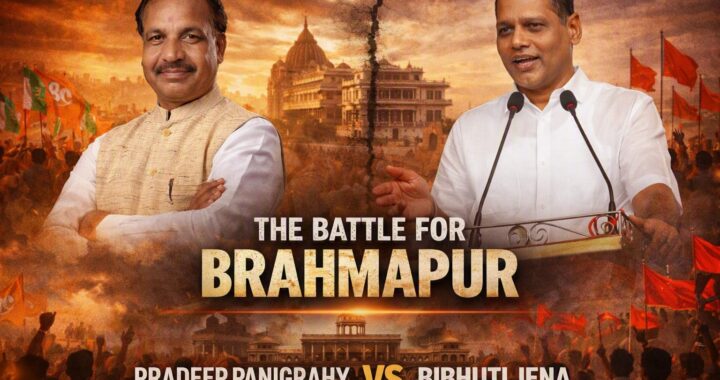 How Berhampur’s MP Pradeep Kumar Panigrah Is Challenging His Own Saffron Government Over Regional Neglect
 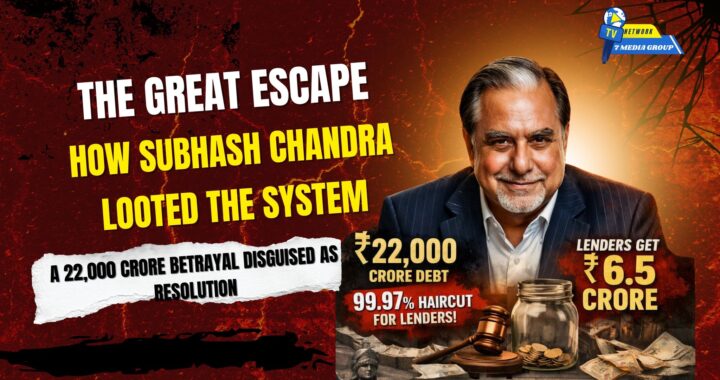 The 3-Paise Settlement: How India’s Financial Architecture Capitulated to Subhash Chandra’s ₹22,000-Crore Default
 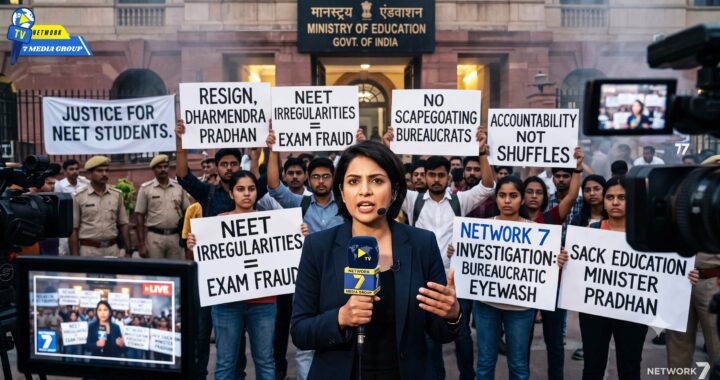 Sacrificial Bureaucracy: Centre Replaces Education Secretary To Deflect From Demands For Dharmendra Pradhan’s Resignation?
  The Accountability Vacuum: Why The Education Ministry Remains Untouched By Crying Candidates
 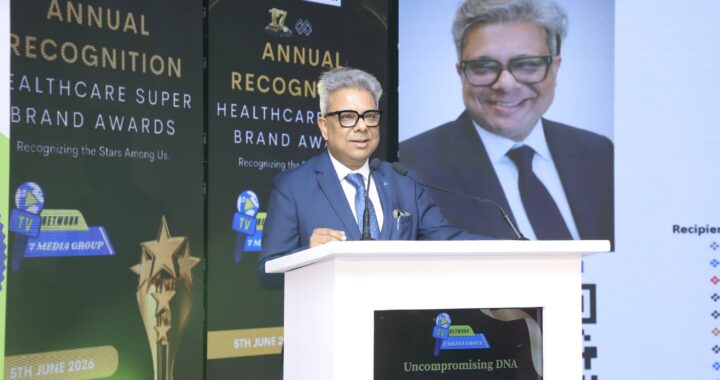 Dr. Koushik Lahiri Issues Urgent Global Clarion Call Against Steroid Dependence Crisis at 17th Pharma Leaders Summit