The Tectonic Shift: How Student Power Shattered New Delhi’s Doctrine of Absolute Immunity
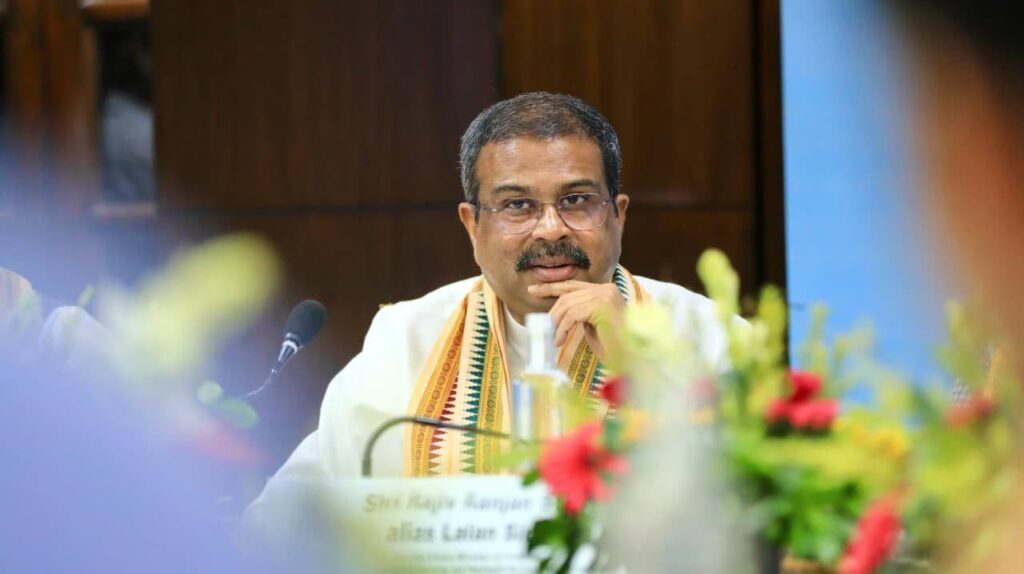
The exit of Education Minister Dharmendra Pradhan under the weight of the CJP-led student uprising breaks the Modi administration’s unspoken “No Resignation” precedent, triggering an inevitable overhaul of India’s examination architecture and education policy.
For a decade, political expediency in New Delhi dictated that executive accountability was a sign of weakness, cementing a culture where high office was insulated from public fallout. But when millions of young minds rise up to defend the sanctity of their merit against systemic corruption, even the most entrenched political doctrines must yield. Dharmendra Pradhan’s resignation is not merely a personnel change—it is a monumental triumph of grassroots youth democracy over institutional arrogance.
Breaking the Armor of Political Infallibility
For over ten years, the Narendra Modi-led government maintained an unyielding, unwritten political rule: never bow to public pressure or demand for resignations. From economic policy debates to social agitations, the ruling administration consistently stood its ground, viewing ministerial exits under fire as a dangerous concession of moral authority.
That doctrine of political invincibility came crashing down on Saturday.
Faced with an unprecedented, relentless nationwide surge led by the Cockroach Janta Party (CJP) and allied student collectives, Union Education Minister Dharmendra Pradhan submitted his resignation. What began as isolated cries of frustration over compromised NEET-UG examinations and rampant National Testing Agency (NTA) paper leaks transformed into a roaring national movement. Tens of thousands of young aspirants, supported by citizens across urban and rural centers, proved that when the future of a nation’s youth is compromised, administrative stonewalling is unsustainable.
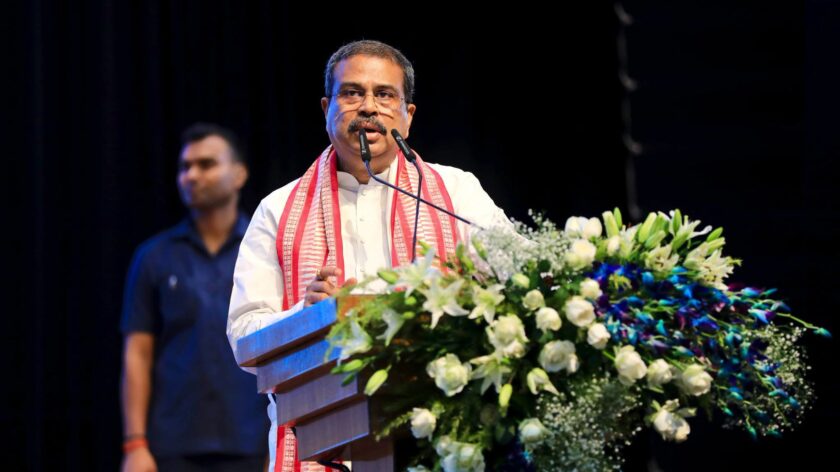
The Anatomy of the CJP Uprising: A Modern Democratic Movement
The rise of the CJP movement marks a pivotal turning point in Indian political history. Operating through decentralized, non-partisan organizing fueled by social media and ground action at sites like Jantar Mantar and regional capitals, the youth refused to let the issue be derailed by typical party politics.
  CHRONOLOGY OF AN INSTITUTIONAL REVOLT
  ┌─────────────────────────────────────────────────────────────┐
  │ Systemic Paper Leaks & Examination Failure Discovered       │
  └──────────────────────────────┬──────────────────────────────┘
                                 │
                                 ▼
  ┌─────────────────────────────────────────────────────────────┐
  │ CJP & Student Collectives Launch Nationwide Mobilization    │
  └──────────────────────────────┬──────────────────────────────┘
                                 │
                                 ▼
  ┌─────────────────────────────────────────────────────────────┐
  │ Weeks of Sustained Protests & Refusal to Back Down           │
  └──────────────────────────────┬──────────────────────────────┘
                                 │
                                 ▼
  ┌─────────────────────────────────────────────────────────────┐
  │ Union Education Minister Resigns; "No Resignation" Rule Ends │
  └──────────────────────────────┬──────────────────────────────┘
                                 │
                                 ▼
  ┌─────────────────────────────────────────────────────────────┐
  │ Mandated Overhaul of National Testing & Education Policy    │
  └─────────────────────────────────────────────────────────────┘
The movement’s victory highlights three critical realities:
- Democratic Accountability Restored: By forcing an executive resignation, student activists proved that accountability in a constitutional democracy cannot be bypassed.
- Beyond Party Lines: The protest transcended conventional opposition dynamics, making it impossible for the government to dismiss the movement as mere political sabotage.
- Institutional Vulnerability Exposed: The crisis exposed deep structural rot within central testing bodies, turning a operational flaw into a national policy crisis.
Forced Overhaul: What Comes Next for India’s Education Policy?
With Dharmendra Pradhan’s exit, the Modi government faces an imperative that goes far beyond replacing a minister. The crisis has forced an immediate, comprehensive review of the entire competitive examination framework and the broader National Education Policy implementation strategy.
Immediate Policy Imperatives
- Dismantling Centralized Vulnerabilities: The centralized model of high-stakes testing under the NTA has proven vulnerable to systemic leaks and corruption. A shift toward multi-tier security audits, decentralized delivery, or hybrid evaluation models is now non-negotiable.
- Statutory Criminalization of Exam Scams: Stringent legal frameworks with non-bailable provisions must be enforced against paper-leak mafias and corrupt testing agencies.
- Structural Reform of the Education Ministry: Restoring trust among millions of students requires transparent governance, independent oversight committees, and direct institutional channels for student grievances.
The capitulation of the administration to student demands proves that no government, regardless of its legislative majority, can remain deaf to the grievances of its youth. As India navigates this critical transition, the exit of the Education Minister must not mark the end of the conversation—it must serve as the catalyst for systemic, transparent, and uncompromised educational reform.
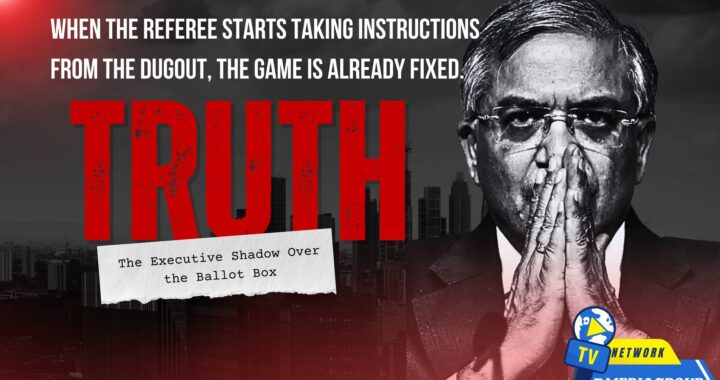 Where Is Gyanesh Kumar Now? The Constitutional Eclipse at Nirvachan Sadan
 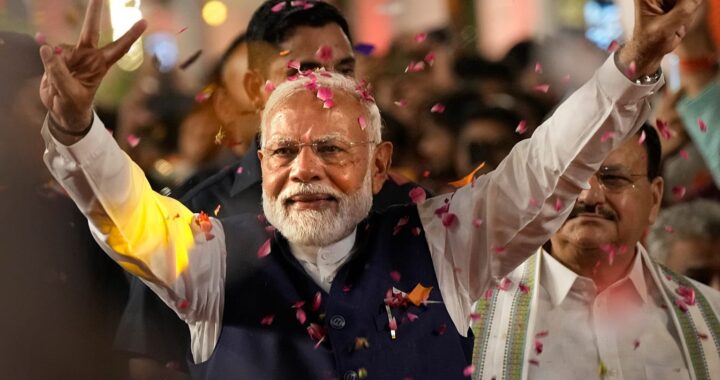 India’s 10 Core Economic Engines: An Empirical Breakdown of Growth, Jobs, Trade, and FDI
 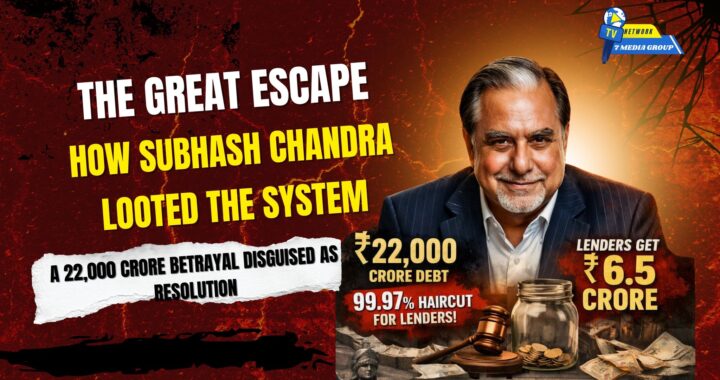 The 3-Paise Settlement: How India’s Financial Architecture Capitulated to Subhash Chandra’s ₹22,000-Crore Default
  Top 50 Entrepreneurs in Pharmaceutical Industry Powering the Global Medicine Chest
  The Sovereign Architects of India’s Digital Century: Top 50 Women IT Leaders
 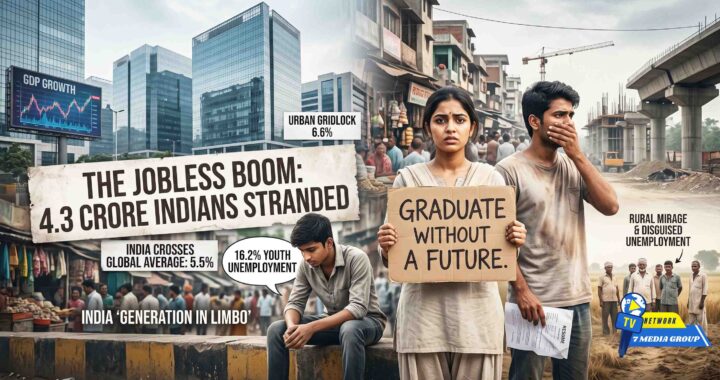 4.3 Crore Indians Stranded in Unemployment as Youth Crisis Deepens – Network 7 Research Findings