A Chief Minister in Name, Not in Nerve? – Odisha’s Power Equation: A Chief Minister Without Command
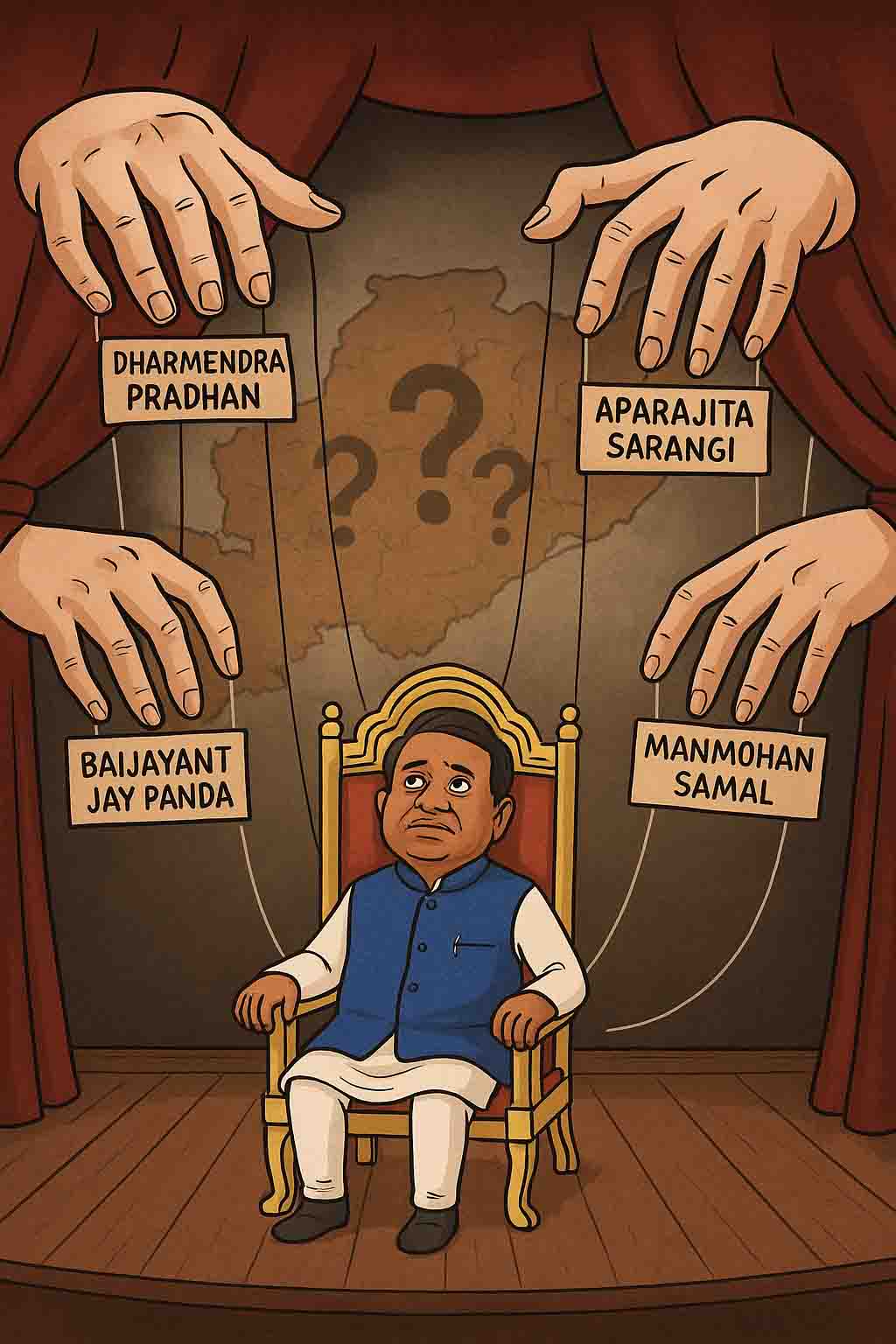
Odisha’s New Regime: Symbolism at the Helm, Strategy in the Shadows. The Throne with Strings: Odisha’s CM and the Shadow Cabinet
When the Bharatiya Janata Party (BJP) stormed into power in Odisha, ending the 24-year reign of Naveen Patnaik’s BJD, the state braced for a new era. But two months into the tenure of Chief Minister Mohan Charan Majhi, the question echoing through Bhubaneswar’s corridors of power is not about reform—but relevance.
Dr. Satya Brahma Editor – In – Chief of Network 7 Media Group opines that “Mohan Majhi’s appointment was not a triumph of tribal leadership—it was a tactical silence. Odisha deserves a Chief Minister who governs, not one who merely occupies the chair while others script the state’s destiny from Delhi boardrooms. As Odisha navigates a new political era with the BJP at the helm, the spotlight is firmly on Chief Minister Mohan Charan Majhi. Despite the high expectations that accompanied the BJP’s victory over Naveen Patnaik’s 24-year rule, the new government has failed to deliver on its promises.
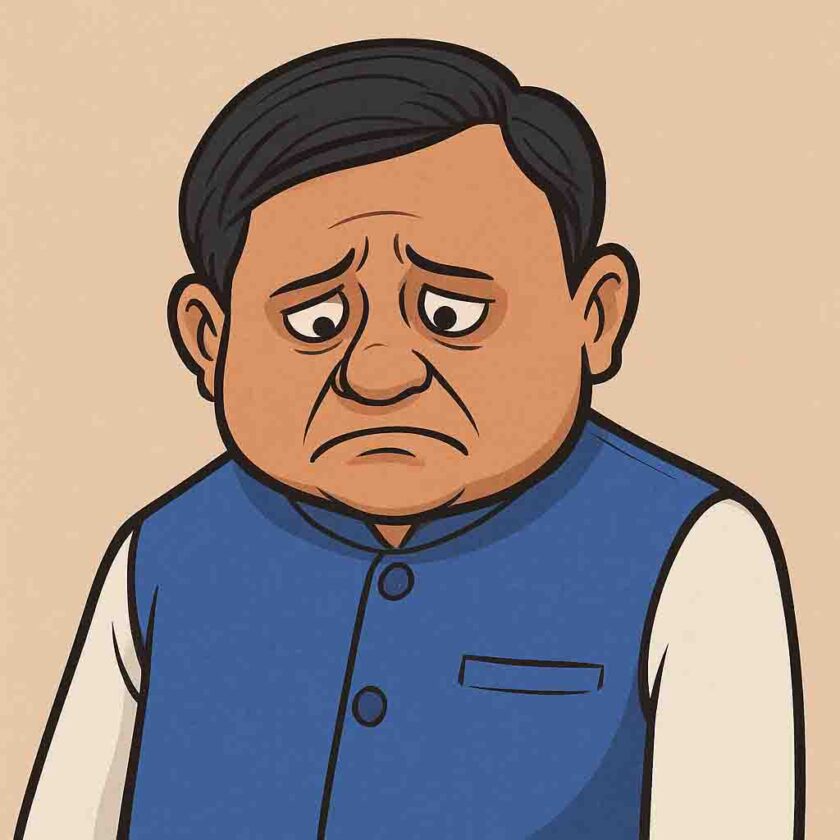
The anticipated wave of effective governance has yet to materialize. Instead, Majhi’s leadership is increasingly seen as lackluster, with his popularity plummeting. Once viewed as a beacon of welfare and progress, Majhi now struggles with perceptions of being out of touch, confined to ceremonial duties rather than driving real change.
The disappointment among Odisha’s citizens is palpable, as the promised welfare initiatives remain largely absent. The electorate’s patience is wearing thin, and the pressure on Majhi to prove his mettle is intensifying.
As the political future of Odisha hangs in the balance, all eyes are on the Chief Minister and whether he can reignite the hopes of the people.
Mohan Majhi – Odisha’s 15th Chief Minister
Majhi’s elevation as Odisha’s 15th Chief Minister was not just unexpected—it was confounding. A four-time MLA from Keonjhar, Majhi’s political résumé is respectable but hardly revolutionary. His selection over seasoned BJP stalwarts like Dharmendra Pradhan, Baijayant Panda, Aparajita Sarangi, Ashwini Vaishnaw, and Manmohan Samal raised eyebrows across party lines. Was this a masterstroke of tribal representation—or a calculated move to install a pliable figurehead?
Sources within the BJP suggest the central leadership—read Modi-Shah—wanted a symbolic break from the past. Majhi, a tribal leader with grassroots credentials, fit the bill. But symbolism, as Odisha is discovering, does not substitute for statecraft.
Who’s Really Running Odisha?
The real power, it seems, resides elsewhere. Major policy decisions—from bureaucratic appointments to industrial clearances—are reportedly being steered by Union Ministers and senior BJP leaders. Dharmendra Pradhan, with his deep administrative acumen, is said to be the de facto strategist. Baijayant Panda and Aparajita Sarangi, both seasoned parliamentarians, are shaping narratives and influencing governance. Ashwini Vaishnaw, with his tech and infrastructure clout, is scripting Odisha’s industrial roadmap. And Manmohan Samal, the state BJP president, remains the party’s organizational anchor.
Majhi, meanwhile, has been largely ceremonial—visible at flag hoisting events, cultural delegations, and condolence visits, but conspicuously absent from the crucible of decision-making.
A Mandate Mismanaged?
Odisha voted for change. The BJP promised transparency, development, and a break from personality-driven governance. Yet, the current setup risks replicating the very centralization it vowed to dismantle. The Chief Minister’s silence on key issues—mining reforms, tribal welfare, climate resilience—has begun to erode public confidence. Bureaucratic inertia persists. Cabinet cohesion is elusive.
Political analyst Dr. Bidyut Mohanty aptly notes, “Majhi’s appointment was strategic, but strategy must translate into delivery. Otherwise, it risks becoming tokenism”.
Tribal Representation or Political Camouflage?
Majhi’s tribal identity is undeniably significant. His rise marks a historic moment for Odisha’s tribal communities. But representation must be matched by empowerment. If the Chief Minister is not empowered to lead, then the symbolism becomes hollow—an ornamental nod to inclusivity without substance.
What Lies Ahead?
Odisha stands at a crossroads. The BJP’s internal power dynamics must stabilize. Majhi must either assert his leadership or risk becoming a footnote in his own administration. The central leadership must decide: Is Odisha to be governed by proxy or by principle?
For now, the state watches. And waits.
 Pharma Leaders 2026 : Reimagining Healthcare – Powering Trust, Innovation & Global Impact
 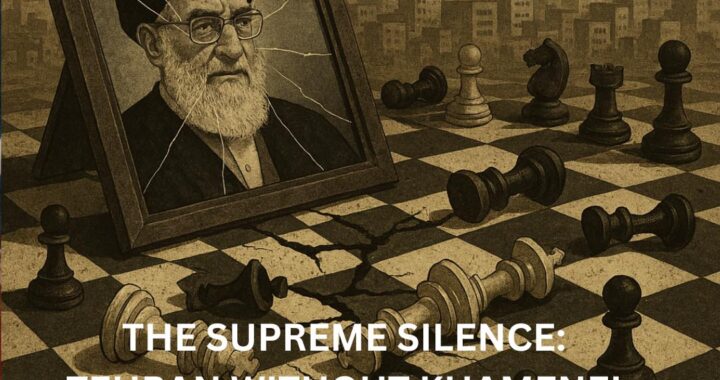 The Earthquake in Tehran: Khamenei’s Death and the Shattered Chessboard
  From Generics to Genius: India’s Pharma Awakens to Global Leadership
 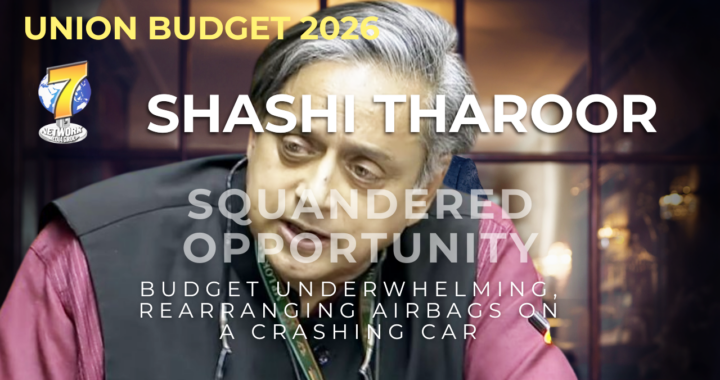 Shashi Tharoor Tears Into Union Budget 2026–27: “Promises Without Commitment”
 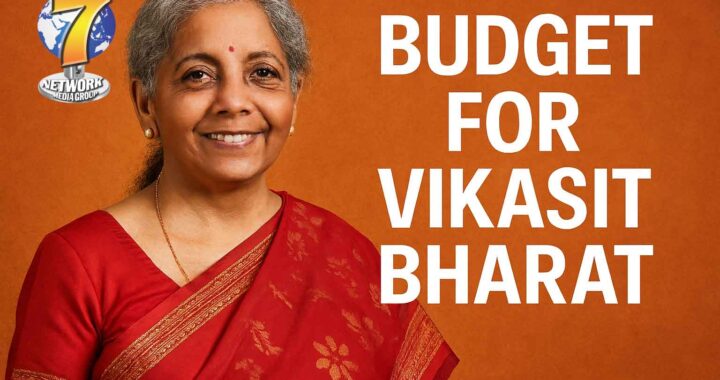 Union Budget 2026: Growth for Bharat, Relief Deferred!
  Budget 2026: Nirmala Sitharaman’s Tightrope Walk Between Growth and Justice