Ganjam’s Ailing Pulse: Why Healthcare in Odisha’s Power District Remains Critically Neglected
By Odisha Affairs Editorial Bureau with Dr Satya Brahma
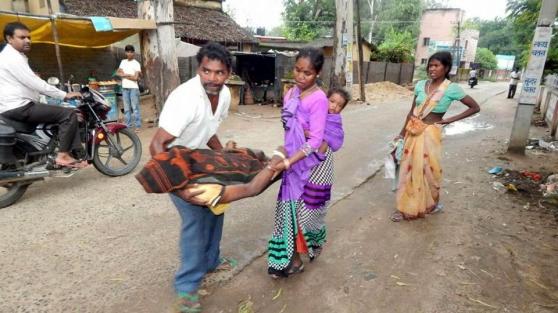
Berhampur, Ganjam September 2025 — Despite being the political nerve center of Odisha and home to one of the state’s largest populations, Ganjam district continues to suffer from chronic neglect in public healthcare. From diarrhoea outbreaks claiming lives in Sanakhemundi to under-equipped hospitals in Digapahandi and Adapada, the district’s health infrastructure is gasping for breath—while successive governments offer little more than cosmetic fixes.
The Crisis Unfolds
In July 2025, a diarrhoea outbreak in Ustapalli village left two dead and over 140 hospitalized. Weeks later, three more lives were lost in Sanakhemundi block, triggering panic across villages like Dampur and Fasiguda. The suspected cause? Contaminated water, poor sanitation, and a glaring absence of preventive healthcare.
These are not isolated incidents. They are symptoms of a deeper malaise—one that has festered for decades.
Infrastructure on Paper, Not in Practice
Ganjam boasts 124 government health facilities and 17 private hospitals. But the numbers mask a grim reality:
- A shortfall of 10,031 hospital beds against WHO norms
- A deficit of 3,408 doctors and 7,009 nurses
- Only 2 blood banks for a population of over 3.5 million
- Diagnostic services so poor that 89% of patients at Berhampur City Hospital must rely on external labs
Even flagship institutions like MKCG Medical College operate at 81% bed occupancy, while private hospitals are bursting at 97%, underscoring the demand-supply mismatch.
Successive Governments: A Legacy of Apathy
From the BJD’s 5T transformation promises to the BJP’s Ayushman Bharat rollout, healthcare in Ganjam has been a political talking point—but rarely a priority.
- The Biju Swasthya Kalyan Yojana was phased out without a robust replacement
- The CAG flagged 64% shortage in hospital beds and 49% vacancy in specialist posts, yet budget allocations remain insufficient
- Doctors posted in rural blocks like Patapur and Sahaspur often seek transfers due to lack of housing and basic amenities
The result? A system where infrastructure exists, but functionality fails.
Challenges That Persist
- Human Resource Drain: Doctors and nurses avoid postings in rural Ganjam due to poor living conditions and lack of incentives
- Underutilized Facilities: Transformed hospitals like Adapada CHC remain under-staffed and under-equipped
- Public Distrust: Locals increasingly turn to private clinics, despite higher costs, due to lack of confidence in government care
Glimmers of Hope
There are signs of awakening.
- The district administration’s “Mo Hospital, Mo Garba” campaign aims to mobilize community participation for hospital upgrades
- A ₹78 crore revamp plan under the 5T initiative targets 13 hospitals across Ganjam
- Civil society groups are pushing for accountability and transparency in healthcare delivery
But unless these efforts are matched with sustained political will, budgetary commitment, and grassroots engagement, Ganjam’s healthcare will remain a tale of missed opportunities.
The Road Ahead
Ganjam doesn’t need more ribbon-cutting ceremonies. It needs:
- A district-level health emergency task force
- Incentivized rural postings for medical professionals
- Real-time public dashboards tracking hospital performance
- Community-led monitoring of sanitation and water safety
In a state that prides itself on transformation, Ganjam’s healthcare story is a sobering reminder: development must begin with dignity—and dignity begins with health.
Strategic Solutions for Healthcare Reform in Ganjam District
1. Human Resource Revamp
- Rural Incentive Package: Offer housing, hardship allowances, and career fast-tracking for doctors and nurses posted in remote blocks like Patapur, Sanakhemundi, and Digapahandi.
- Local Talent Pipeline: Launch district-level medical scholarships tied to mandatory service in Ganjam’s CHCs and PHCs.
2. Infrastructure Modernization
- 5T Hospital Transformation: Accelerate the revamp of 13 hospitals under Odisha’s 5T initiative, ensuring not just cosmetic upgrades but functional diagnostics, emergency care, and sanitation.
- Blood Bank Expansion: Increase from 2 to at least 6 blood banks, prioritizing underserved zones like Bhanjanagar and Chikiti.
3. Technology & Telemedicine
- Mobile Health Units: Deploy GPS-tracked vans with diagnostic kits and teleconsultation access for tribal and coastal belts.
- Digital Health Dashboard: Create a public-facing portal showing real-time hospital bed availability, doctor rosters, and medicine stock.
4. Community-Led Campaigns
- “Mo Hospital, Mo Garba”: Scale up this pride-based hospital ownership campaign to include citizen audits, volunteer health brigades, and local fundraising drives.
- Sanitation Watch: Form village-level water and hygiene committees to monitor contamination sources and report outbreaks.
5. Maternal & Child Health Innovation
- Nirikhyana Program Expansion: Replicate the ISO-certified initiative that offers free ultrasound services to pregnant women via mobile apps—already benefiting over 85,000 women.
- School Health Fortification: Extend the fortnightly health check-up model from SC/ST residential schools to all government schools.
6. Policy & Governance Reform
- District Health Emergency Task Force: Constitute a multi-stakeholder body with civil society, media, and medical experts to monitor crisis response.
- Transparent Budgeting: Publish block-wise healthcare expenditure and outcomes to ensure accountability and public scrutiny.
Dr. Satya Brahma, Founder & Editorial Head, Network 7 Media Group says “Ganjam is not just any district. It is Odisha’s political crucible, the birthplace of Chief Ministers, the stronghold of electoral might. Yet, when it comes to healthcare, Ganjam is a paradox—powerful in politics, powerless in public health.
In July, diarrhoea outbreaks in Sanakhemundi and Ustapalli claimed five lives and hospitalized hundreds. The cause? Contaminated water, broken sanitation, and a health system that’s been running on fumes. This isn’t just a failure of infrastructure—it’s a betrayal of governance”.
Hospitals Without Healing
Ganjam has 124 government health facilities. But walk into Adapada CHC or Digapahandi Hospital and you’ll find empty wards, absent doctors, and diagnostic machines gathering dust. MKCG Medical College, the district’s crown jewel, operates at near full capacity—while rural patients are forced to travel hours for basic care.
The numbers are damning:
- 10,000+ beds short of WHO norms
- 3,400+ doctor vacancies
- Only 2 blood banks for 3.5 million people
This is not neglect. It’s abandonment.
Governments That Talk, But Don’t Treat
Successive regimes—BJD, Congress, BJP—have mastered the art of ribbon-cutting and press releases. But where is the accountability? Where is the urgency?
The Biju Swasthya Kalyan Yojana was quietly phased out. The 5T transformation promised hospital upgrades, but most remain cosmetic. Doctors posted in blocks like Patapur and Chikiti flee due to lack of housing, safety, and basic dignity.
Ganjam is not asking for luxury. It is asking for life.
The Real Diagnosis. The crisis is not just medical. It is moral.
- Apathy in administration
- Absence of political will
- Erosion of public trust
When citizens turn to private clinics despite crushing costs, it’s not a choice—it’s desperation.
The Prescription for Change
Ganjam needs a health revolution, not another committee.
- Incentivize rural postings with housing and career benefits
- Expand blood banks and diagnostic labs
- Launch mobile health units for tribal and coastal belts
- Create a district health emergency task force with civil society oversight
- Publish real-time dashboards on hospital performance and budget use
Let’s stop treating healthcare as a campaign slogan. Let’s make it a constitutional commitment. Ganjam’s people deserve more than sympathy. They deserve systems. They deserve leadership that heals, not headlines that hide.Odisha must choose: Will Ganjam remain a district of political symbolism—or will it become a beacon of public health transformation?. The pulse of a state begins with the health of its people. And right now, Ganjam’s pulse is fading.
“Healthcare is not a privilege—it’s a promise. Ganjam must stop being a district of forgotten potential and start becoming a model of inclusive healing. When the poorest tribal child receives the same dignity of care as the richest urban patient, only then can Odisha claim transformation.”
 The Masterstroke of Moditva: Why Mohan Majhi Eclipsed the Heavyweights in Odisha
  Iran in Flames: A Nation’s Struggle Reverberates Across the World
 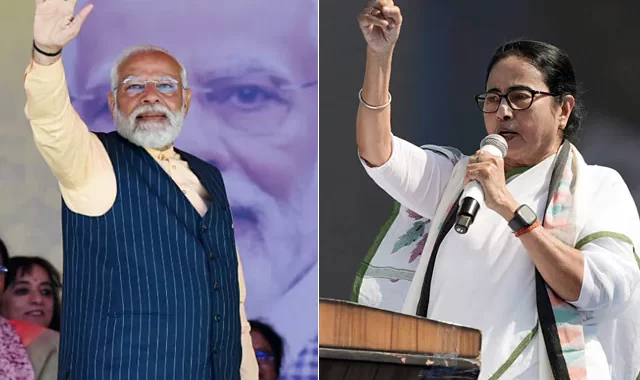 Mamata vs ED: Bengal’s Political Theatre Moves from I-PAC Raid to Supreme Court Showdown
  Trump’s Greenland Gambit: Aftermath of Venezuela Attack Raises Alarming Questions
 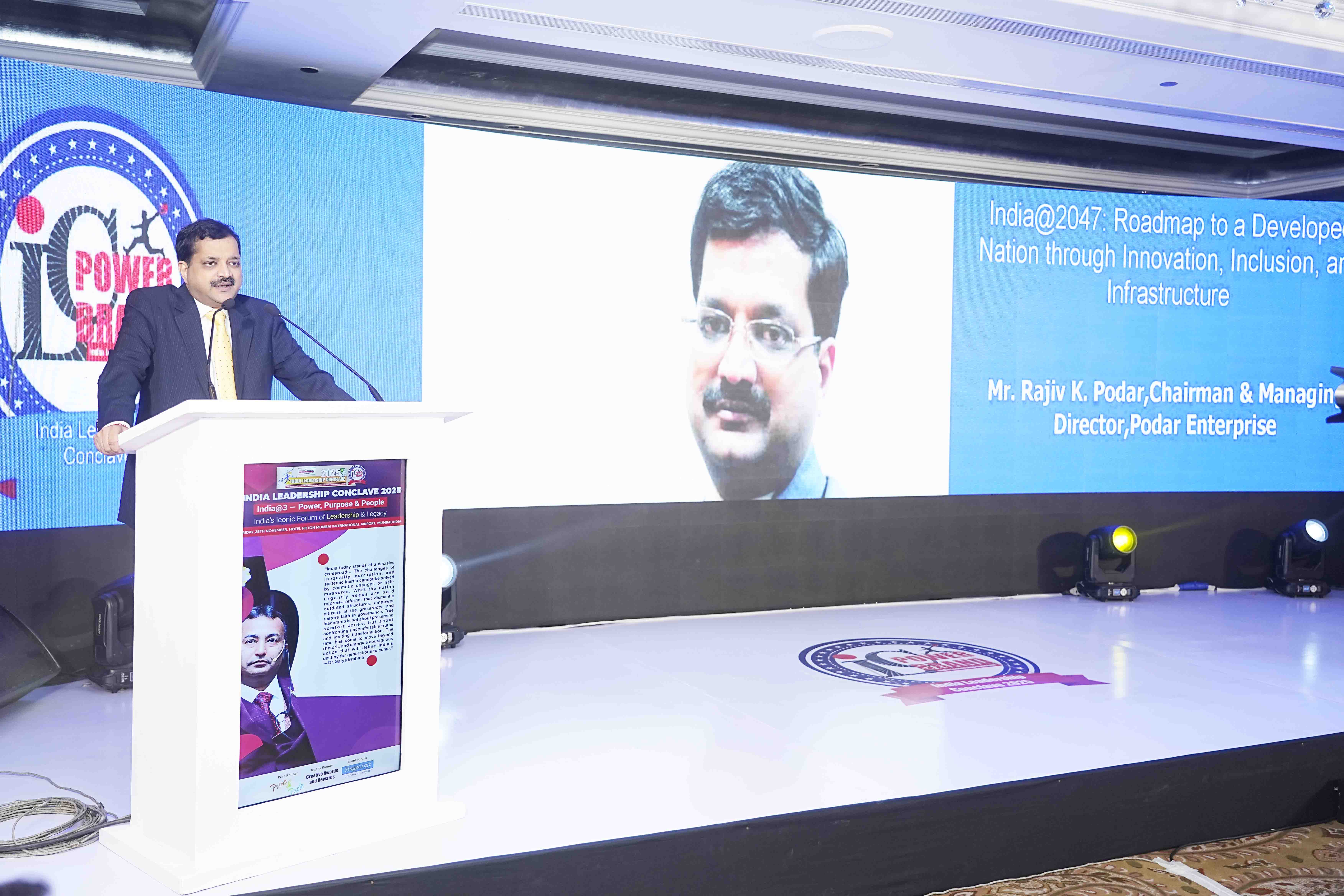 India@2047: Rajiv Podar of of Podar Enterprise Charts the Roadmap to a Global Superpower
  Berhampur’s Thirst: A City Caught Between Crisis and Reform